October 2024 – Labour Budget Summary
Summary correct as from Wednesday 30th October 2024.
Chancellor Rachel Reeves’ 2024 Autumn Budget marks a significant pivot in UK economic policy, with an emphasis on fiscal responsibility alongside growth-focused investments. It has been labelled an economic “reset” in which Reeves aims to balance day-to-day government spending while expanding debt capacity for long-term projects.
This article provides a high-level overview alongside its potential impact on key economic areas. With changes targeting higher earners through adjustments to inheritance tax (IHT), capital gains tax (CGT) and private school fees, the budget aims to boost funding for public services and sustainable investments.
We hope this summary helps our clients understand the budget’s primary components and their implications on the broader economy.
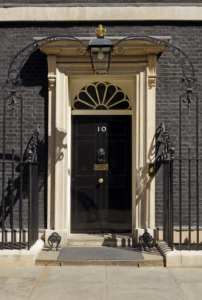
Rachel Reeves will mark history today as the UK’s first female Chancellor of the Exchequer, a notable milestone in British politics and economic policy leadership.
The first Labour-led budget in 14 years, with the previous one presented by then-Chancellor Alistair Darling in 2010, before Labour lost power in that year’s election.
Key Points Summary
National Insurance
- Employee Contributions: Employees will not see an increase in National Insurance contributions. However, employers’ contributions will rise by 1.2 percentage points to 15%, effective April.
- Threshold Adjustment: The secondary threshold will be reduced from £9,100 to £5,000.
- Revenue Impact: These changes are projected to raise £25 billion annually by the end of the forecast period.
- Employer Rate Details: The employer rate increase from 13.8% on earnings over £175 weekly is estimated to generate £8.5 billion.
Income Tax
- Threshold Adjustment: Starting in 2028-29, personal tax thresholds for income tax and national insurance will align with inflation.
Capital Gains and Inheritance Tax
- Capital Gains Tax: The lower rate will increase from 10% to 18%, and the higher rate will rise from 20% to 24% for disposals made on or after 30 October 2024.
- Inheritance Tax Threshold: The freeze on the £325,000 inheritance tax threshold will continue, with further reforms anticipated for reliefs on business and agricultural assets.
- Agricultural and Business Reliefs: From April 2026, combined agricultural and business assets will receive a 100% relief on the first £1 million, then 50% thereafter, including specific reforms for “not listed” shares.
- Pension Inheritance: Unspent pension funds will fall under inheritance tax from April 2027, impacting approximately 8% of estates.
Minimum Wage
- Increase: The National Living Wage for over-21s will increase by 6.7% to £12.21, equating to an additional £1,400 annually for full-time eligible workers.
- Equalisation: A single adult rate will be introduced gradually to align wages for under-21s with older workers.
Tobacco and Alcohol
- Vape Levy: A levy on vapes will align with existing tobacco rates.
- Draught Duty: A reduction of 1.7% in draught duty is projected to save pub-goers roughly one penny per pint.
Fuel Duty
- Freeze Extension: The current freeze on fuel duty and the 5p cut from the previous government will remain in effect for another year.
Private School Fees
- VAT Introduction: VAT will be applied to private school fees starting January 2025.
Housing
- Investment: £5 billion will be allocated to increase affordable housing supply.
- Right-to-Buy Adjustments: Reductions in discounts will allow local governments to reinvest earnings from council housing sales.
- Planning Staff: The government plans to employ hundreds of new planning officers to accelerate housebuilding.
Transport
- Major Commitments: Projects include the TransPennine Route Upgrade, capacity improvements at Manchester Victoria, electrification of Wigan to Bolton, and support for the east-west rail link between Oxford and Cambridge.
- HS2: Funding will support tunnelling the HS2 route to London Euston.
- Road Infrastructure: An additional £500 million will be allocated to address potholes next year.
Public Spending
- Budget Increases: Real government department spending will increase by 1.5%, or 1.7% with capital spending included.
Education
- School Funding: £2.3 billion will support teacher hiring, and an additional £300 million will go to higher education.
- Special Needs Support: An extra £1 billion will be allocated to fund special needs programs.
Defence
- Military Funding: Defence spending will increase by £2.9 billion next year, with additional funding for WWII commemorations.
Local Government
- Additional Funding: £1.3 billion in new grant funding will support local governments, with £600 million earmarked for social care.
- Regional Settlements: Greater Manchester and the West Midlands will receive integrated settlements for more localised control over spending.
Public Investment
- Debt Strategy: New measures will aim to reduce debt as a share of the economy, targeting a decline by 2029-30.
- Sector Investments: Investment of £1 billion in aerospace, £2 billion in automotive for electric vehicle development, and £500 million for life sciences, with £6.1 billion allocated across engineering, biotechnology, and medical science sectors.
Air Travel
- Passenger Duty: Air passenger duty will rise by up to £2 for economy short-haul flights. Private jets will face an extra 50% duty, up to £450 per passenger.
Business Taxes and Non-Domiciles
- Business Rates Relief: Retail and hospitality sectors will benefit from a 40% relief on business rates, capped at £25,000.
- Oil Profits Levy: The levy on oil profits will increase to 38% and be extended.
- Non-Dom Abolition: Non-domicile tax status will be abolished from April.
Compensation Schemes
- Victims’ Support: £11.8 billion will support victims of the infected blood scandal, with an additional £1.8 billion for victims of the Post Office Horizon IT scandal.
Anti-Tax Avoidance Measures
- Revenue from Anti-Avoidance: £6.5 billion will be raised by targeting tax avoidance schemes, including umbrella companies.
Economic Forecasts and the OBR
- OBR Review: The OBR has published a review revealing a £22 billion gap in unfunded pledges by the previous government.
- Inflation Target: The inflation target will remain at 2%.
- Growth Projections: Growth is forecasted to be 1.1% in 2024, rising gradually to 1.6% by 2030.
Government Borrowing
- New Fiscal Rules: The government will implement a rule to balance the current budget within three years.
- Deficit and Debt Reduction: A deficit of £26.2 billion in 2026 will shift to a surplus of £10.9 billion by 2027-28, with public sector net debt expected to decrease from £127 billion in 2024-25 to £70.6 billion by 2029-30.
Sources: Autumn Budget 2024 – HC 295; Budget 2024: Key points from Rachel Reeves’s speech – BBC News; Budget 2024: key points at a glance | Autumn budget 2024 | The Guardian